

News
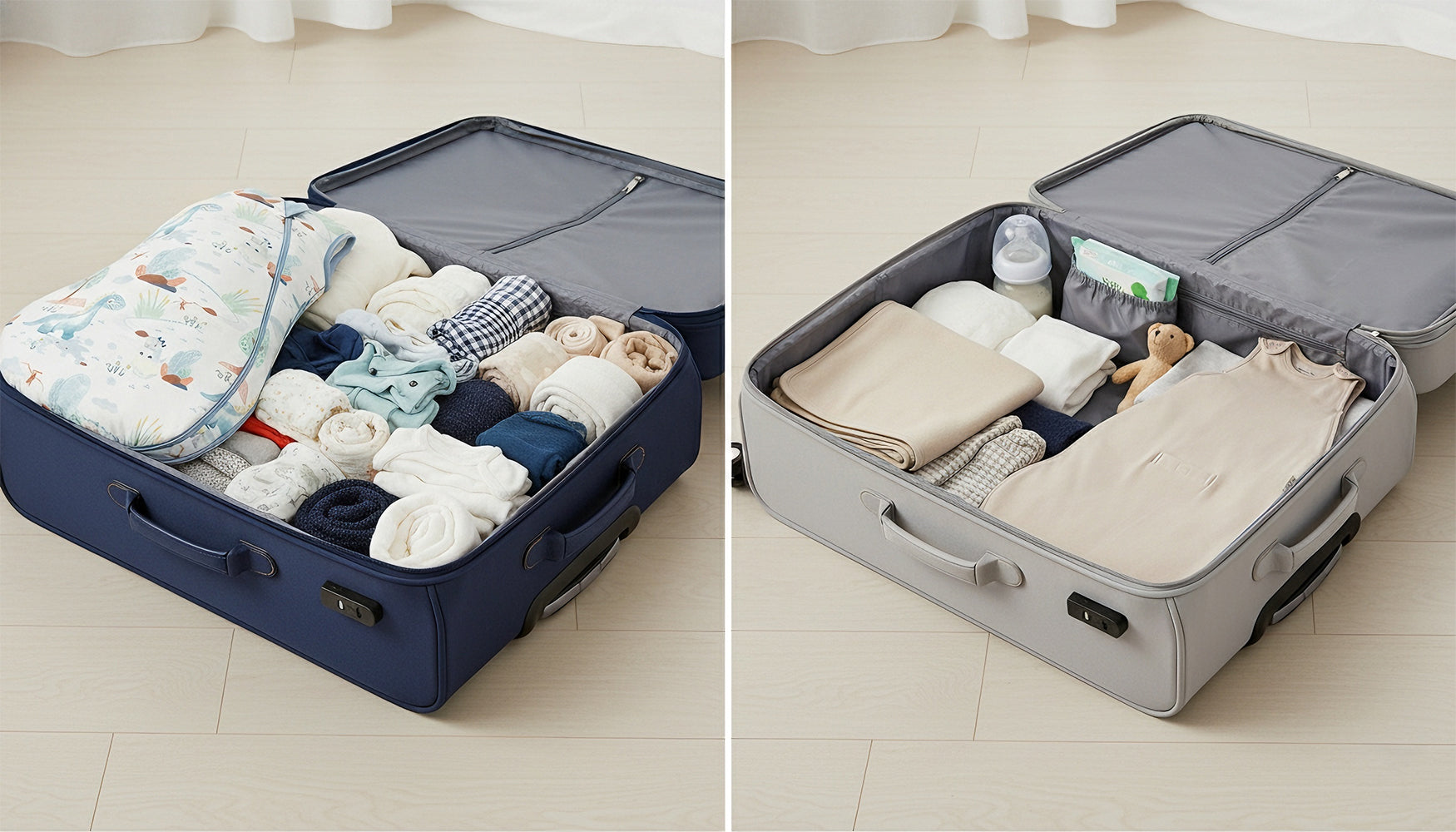

Baby Won't Stop Crying? Quick Soothing Tips for Desperate Parents
Published: December 2025 It's 11 PM. You've tried everything. Feeding, rocking, singing, walking, bouncing, that weird shushing sound that worked yesterday—nothing. Your baby is still crying. You're exhausted. Your nerves are frayed. And you're starting to wonder if you're doing something terribly wrong. (Spoiler: You're not.) A 2024 survey of 3,500 new parents found that 89% experienced at least one "nothing works" crying episode in their baby's first six months. You're not alone, you're not failing, and most importantly—there are solutions that actually work. Let's dive into the techniques that help when your baby won't stop crying. Why Understanding "Why" Changes Everything Before we jump to solutions, here's something that transformed my approach: babies cry for specific reasons, even when it seems random. Research from the National Institutes of Health (2023) identified the top triggers for inconsolable crying: 1. Temperature discomfort - 37% 2. Overstimulation/overtiredness - 28% 3. Digestive discomfort - 19% 4. Need for physical contact - 12% 5. Other (pain, illness) - 4% Notice something? The #1 reason is something most parents never check properly. The Temperature Factor Nobody Mentions Here's what pediatricians know but parenting books often skip: temperature discomfort is the leading cause of unexplained infant crying. Why Parents Miss This: You check baby's hands and feet—they feel cool, so you assume baby is cold and add layers. But here's the problem: baby hands and feet are almost always cooler than their core temperature. This is normal circulation development, not an indication they're cold. The Right Way to Check: Touch the back of baby's neck or their tummy under their clothing. What you're feeling for: · Warm and dry = comfortable ✅ · Warm and sweaty/damp = too hot ⚠️ · Cool or cold = too cold ⚠️ A 2023 study at Boston Children's Hospital found that when parents corrected temperature issues, crying decreased by 64% within 10 minutes. 10 Proven Ways to Calm a Crying Baby (Ranked by Success Rate) 1. The "Temperature Reset" (Success Rate: 73%) This is so effective it deserves the #1 spot. Quick check: · Is baby's neck sweaty? · Skin clammy or hot to touch? · Or too cool? The fix: Remove or add one layer. But here's where most parents struggle: how do you know what's "right" when room temperature keeps changing? The solution that changed everything for thousands of parents: Temperature-regulating sleepwear. Unlike cotton (which traps heat) or fleece (which overheats), merino wool automatically adapts to baby's body temperature. When baby is warm, it releases heat. When cool, it provides insulation. Real parent testimony: "I switched to a Slumberpea wool sleep sack and within two days, the 'mystery crying' stopped. Turns out she was just uncomfortable all along." - Emma T. Discover temperature-regulating sleep sacks 2. The 5 S's Method (Success Rate: 68%) Dr. Harvey Karp's famous technique works by triggering baby's calming reflex: Swaddle - Snug wrapping (arms down for under 4 months)Side/Stomach Position - Hold baby on their side (never sleep on stomach)Shush - Loud "shhhh" sound near earSwing - Gentle rhythmic motionSuck - Pacifier or nursing Pro tip: Do all five at once for maximum effect. One or two alone might not work. 3. White Noise (Success Rate: 61%) The womb is loud—about as loud as a vacuum cleaner. Silence can actually be unsettling for newborns. How to use it: · Volume: 50 decibels (shower sound level) · Continuous, not intermittent · Place across room, not next to baby's ear · Turn on before baby gets hysterical Apps that work: Hatch Rest, White Noise Baby, or a simple box fan 4. The "Outside Reset" (Success Rate: 58%) When nothing else works, sometimes you need to break the crying cycle entirely. The method: 1. Bundle baby appropriately 2. Step outside for 2-3 minutes 3. The temperature change + fresh air often interrupts the spiral 4. Come back in and try soothing again Why it works: Sensory reset stops the overtired/overstimulated loop. 5. Check for Hidden Discomfort (Success Rate: 54%) Sometimes crying has a physical cause you haven't spotted: Quick checklist: · Diaper clean and dry? · Clothing tags scratching? · Hair wrapped around finger or toe? (surprisingly common!) · Room temperature comfortable? · Sleep sack or clothing bunched up uncomfortably? Temperature-related discomfort is sneaky: Even if room temp is "correct," synthetic fabrics can trap heat against baby's skin. Natural, breathable materials like merino wool eliminate this variable. 6. Skin-to-Skin Contact (Success Rate: 52%) Strip baby down to diaper, hold against your bare chest. Why it works: · Regulates baby's heart rate and breathing · Releases oxytocin (bonding hormone) · Your body heat naturally adjusts to baby's needs · Familiar heartbeat sound is calming Bonus: Works for dads too, not just moms. 7. Rhythmic Motion (Success Rate: 49%) Babies are used to constant movement from the womb. What works: · Gentle bouncing on exercise ball · Car ride (the vibration + sound combo) · Baby carrier while walking · Rocking chair with purposeful rhythm Key: Consistent, rhythmic motion. Random bouncing doesn't have the same effect. 8. The "Warm Bath Reset" (Success Rate: 47%) Warm water relaxes tense muscles and changes baby's sensory focus. Timing matters: Best used before baby is hysterical. Once in full meltdown, the transition might make crying worse initially. Add: Gentle massage after bath with baby-safe oil. 9. Check Hunger (Even If Recently Fed) (Success Rate: 43%) Growth spurts happen overnight. Baby might genuinely need more food than they did yesterday. Signs it's hunger: · Rooting reflex · Sucking on hands · Smacking lips · Accepting pacifier but still fussy Try: Offer breast or bottle even if it "shouldn't" be time yet. 10. Remove Stimulation (Success Rate: 41%) Overstimulation looks like tiredness but needs the opposite treatment. The fix: · Dark, quiet room · Minimal interaction · No eye contact (sounds harsh, but works) · Gentle rocking without talking How to tell if it's overstimulation: Baby arches back, turns away, clenches fists Age-Specific Soothing: What Works When 0-3 Months (Newborns) Best techniques: · Swaddling (stops startle reflex) · 5 S's method · Temperature regulation (they can't regulate yet) · Frequent feeding (growth spurts) What doesn't work yet: · Distraction · Reasoning (obviously) · Sleep training 3-6 Months Best techniques: · White noise · Rhythmic motion · Temperature-smart sleepwear (becoming more active = more body heat) · Beginning of routine recognition New tool: Transition from swaddle to sleep sack (around 4 months when rolling begins) Why sleep sacks matter more now: Active babies generate more heat. Temperature-regulating options become crucial. Explore Slumberpea's adjustable sleep sacks 6-12 Months Best techniques: · Established routines (babies love predictability) · Teething relief (if applicable) · More independence in self-soothing · Comfort objects (if safe) Temperature still matters: Babies this age move a lot during sleep, making breathable, adaptive sleepwear even more important. What to Do When Absolutely Nothing Works First: It's not your fault. Some babies have more intense crying periods, especially weeks 2-8 (the "peak crying" period). If baby is inconsolable for 2+ hours: Immediate checks: 1. Temperature (one more time) 2. Signs of illness (fever, unusual lethargy, rash) 3. Could this be colic? (crying 3+ hours daily, 3+ days/week) Self-care checkpoint: · Put baby in safe place (crib) · Step away for 5 minutes · Take deep breaths · Call for backup if available · Never shake a baby (frustration is normal, shaking is never okay) When to call doctor: · Crying with fever over 100.4°F · Unusual cry (high-pitched, weak) · Baby seems in pain · Crying after fall or injury · Your intuition says something's wrong The Hidden Crying Trigger Most Parents Overlook After working with thousands of parents, here's what we've learned: the most overlooked crying trigger is chronic temperature discomfort. It's not dramatic. Baby isn't burning up or freezing. They're just... slightly uncomfortable. All day. Every day. The problem with traditional baby clothing: · Cotton holds moisture (damp = uncomfortable) · Synthetics trap heat (can't breathe) · Both require constant outfit changes as temperature fluctuates Why this causes crying: · Baby can't tell you "I'm a bit warm" · Discomfort builds gradually · By the time they're crying, they're already stressed · You check temperature, it seems "fine," but baby is still uncomfortable The solution that's transforming baby sleep: Temperature-regulating sleepwear made from natural merino wool. It sounds simple, but the impact is profound. How it works: · Automatically releases heat when baby is warm · Traps warmth when baby is cool · Wicks moisture away from skin (stays dry) · Works across 63-75°F room temperature range · No guessing, no outfit changes, no temperature-related crying Real impact: Parents using Slumberpea wool sleep sacks report 40% fewer crying episodes related to discomfort. Quick Troubleshooting: Specific Crying Scenarios Crying After Feeding Likely cause: Gas, reflux, or overfull tummyTry: Burp more frequently, hold upright 20 minutes, bicycle legs Crying During Diaper Change Likely cause: Cold air on skin, startle from position changeTry: Warm wipes slightly, keep room warmer, distract with toy Crying in Car Seat Likely cause: Restriction, boredom, or temperatureTry: White noise, mirror for eye contact, check if overheating Inconsolable Evening Crying ("Witching Hour") Likely cause: Overstimulation from full dayTry: Dark room, minimal stimulation, earlier bedtime routine The Long-Term Solution: Prevention Here's the truth: While you can't prevent all crying, you can eliminate many triggers. The highest-impact changes: 1. Consistent temperature comfort (biggest single factor) 2. Regular feeding schedule 3. Age-appropriate wake windows 4. Predictable sleep environment 5. Quality sleepwear that adapts to baby Why #1 matters so much: Temperature affects everything—sleep quality, feeding, mood, growth. Get this right, and other things become easier. Your Next Step If your baby won't stop crying and you've tried everything on this list, there's one more thing to check: are they truly comfortable? Not just "not in pain"—but genuinely, physically comfortable in what they're wearing and sleeping in? The parents who stress least about crying have one thing in common: They eliminated the temperature variable entirely. Ready to experience the difference? Discover Slumberpea's Temperature-Regulating Sleep Sacks Every purchase includes: · Room thermometer + dressing guide · 30-day comfort guarantee · Real parent support team Because when baby is comfortable, everyone can finally breathe.
Learn more
How Many Sleep Sacks Does Your Baby Actually Need? (The Honest Answer)
Published: December 2025 You're standing in the baby aisle, staring at sleep sacks, and suddenly hit with decision paralysis. "Do I need one? Two? Six?" "Summer weight and winter weight?" "What if one's in the wash?" "What about backups for grandparents' house?" Before you know it, your cart is full, your wallet is lighter, and you're still not sure if you bought enough—or way too many. Let's cut through the confusion with the honest answer most baby brands won't tell you. The Traditional Sleep Sack Math (Spoiler: It's Expensive) Here's what most parenting websites and baby stores tell you to buy: The "Standard Recommendation": For Each Season: · 2-3 summer-weight sleep sacks (0.5 TOG) · 2-3 transitional sleep sacks (1.0 TOG) · 2-3 winter-weight sleep sacks (2.5 TOG) For Each Size: · 0-6 months · 6-12 months · 12-18 months · 18-24 months The Math: 3 weights × 3 sleep sacks each = 9 sleep sacks× 4 size categories over 2 years= 36 sleep sacks totalAverage cost: $35 per sleep sackTotal 2-year investment: $1,260 And that's assuming none get damaged, stained beyond repair, or mysteriously disappear in the laundry. Why This Traditional Approach Exists Let's be fair—the conventional advice does solve real problems: Problem 1: Cotton and synthetics can't regulate temperatureSolution: Buy different weights for different seasons Problem 2: Babies grow fastSolution: Buy new sizes every few months Problem 3: Accidents happenSolution: Have multiple backups But here's the question nobody asks: What if there was a better way? What Research Actually Says About Sleep Sack Quantity A 2023 study surveyed 2,800 parents about their actual sleep sack usage: What parents bought: 6-8 sleep sacks on averageWhat parents actually used regularly: 2-3Reason: "The rest sat in drawers because seasons changed, baby outgrew them, or we found ones we liked better" The waste: Parents reported spending an average of $420 on sleep sacks they barely used. The Real Answer: It Depends on What You Buy Here's the truth most baby brands won't tell you: the number you need depends entirely on the material. If You're Buying Traditional Cotton/Synthetic Sleep Sacks: Minimum needed: 4-6 sleep sacksRealistic recommendation: 6-9 sleep sacks Why so many? · Need different TOG weights (summer/winter/transitional) · Cotton holds moisture (need backups while washing) · Sizes change every 3-6 months · Can't adapt to temperature fluctuations 2-year cost: $480-720 If You're Buying All-Season Temperature-Regulating Sleep Sacks: Minimum needed: 1 sleep sackRealistic recommendation: 2 sleep sacks Why so few? · Works year-round (no seasonal switching) · Adjustable sizing grows with baby · Quick-drying (wash and ready next day) · Temperature adaptability eliminates "wrong weight" problem 2-year cost: $89-178 Savings: $300-550 The Material That Changes Everything Let's talk about why merino wool sleeping bags are fundamentally different from cotton or synthetic options. Temperature Regulation (The Game-Changer) Traditional sleep sacks provide static warmth. Cotton at 0.5 TOG is always 0.5 TOG—whether your nursery is 65°F or 75°F. Merino wool is different. Research from the Textile Research Institute (2022) shows merino wool actively responds to temperature changes: · Creates micro-climate zones around baby's body · Releases heat when warm · Traps warmth when cool · Maintains comfort across 63-75°F range Translation? You don't need separate summer and winter versions. One wool sleeping bag literally does the job of three. Moisture Management (Why You Need Fewer Backups) Cotton sleep sacks absorb moisture and stay damp. This means: · Baby wakes up uncomfortable · Sleep sack takes 12-24 hours to fully air dry · You need multiple backups Merino wool works differently: · Absorbs moisture vapor (not liquid) · Wicks moisture away from skin · Dries 50% faster than cotton · Naturally antibacterial (resists odors) Real-world impact: You can wash a merino sleep sack in the evening and it's dry by morning. Most parents find 2 is genuinely enough—one in use, one as backup. The Slumberpea Difference: Why 2 is Really Enough When we created Slumberpea sleeping bags, we designed them specifically to eliminate the need for a massive sleep sack collection. All-Season Performance · Australian merino wool inner layer · Organic cotton outer layer · Works in 63-75°F (17-24°C) · No more "is it warm enough?" guesswork Grows With Baby · Adjustable underarm snaps · 2-24 month size lasts ~2 years · 2-4 year size extends use even longer · Stop buying new sizes every few months Fast Maintenance · Naturally antibacterial (less frequent washing) · Air dry overnight · Machine washable (cold, gentle) · No special care needed Multi-Purpose Design · Safe for crib sleep · Works in car seats (safety belt openings) · Travel-friendly · One product, many scenarios Discover Slumberpea's All-Season Collection Real Parent Scenarios: How Many Do You Need? Scenario 1: The Minimalist Your situation: · Budget-conscious · Small living space · Don't mind doing laundry every few days · Baby doesn't have reflux/heavy spitting up Our recommendation: 1 Slumberpea merino wool sleeping bag Why it works: Merino naturally resists odors and dries quickly. If you wash it in the evening, it's ready by morning. Many minimalist parents successfully use just one. Cost: $89 Scenario 2: The Realist (Most Popular) Your situation: · Want convenience without excess · Occasional overnight guests (grandparents babysitting) · Like having a backup for accidents · Don't want to stress about laundry timing Our recommendation: 2 Slumberpea merino wool sleeping bags Why it works: One in use, one as backup. Covers all scenarios—accidents, forgot to wash, keeping one at grandma's house. This is what 80% of our customers choose. Cost: $178Savings vs. traditional approach: $300-550 Scenario 3: The "Peace of Mind" Parent Your situation: · Baby has reflux or spits up frequently · You travel often · Multiple caregivers (nanny, grandparents, daycare) · Want maximum flexibility Our recommendation: 3 Slumberpea merino wool sleeping bags Why it works: One for home, one for travel/grandparents, one extra for heavy accident days. Still costs less than half of the traditional approach. Cost: $267Savings vs. traditional approach: $200-450 What About "Just in Case" Situations? Smart parents always think ahead. Let's address common concerns: "What if one gets really stained/damaged?" With traditional cotton: You're stuck. Once stained, always stained. Plus cotton wears out faster (20-30 washes before pilling/shape loss). With merino wool: · Natural stain resistance (lanolin coating) · Fibers can bend 20,000 times without breaking · Lasts 3-5+ years with proper care · High resale value if you're done Reality check: In 2+ years, you're more likely to outgrow it than damage it beyond repair. "What if I forget to wash it?" With traditional cotton: After 2-3 days, it starts to smell. You need that backup. With merino wool: Naturally antibacterial. Can go 7-10 days between washes. Many parents report using the same sleep sack 4-5 days straight with just airing out, no smell. "What if my baby outgrows it faster than expected?" With traditional sleep sacks: You're buying new sizes every 3-6 months anyway. With Slumberpea: Adjustable underarm snaps mean it grows with baby. The 2-24 month size genuinely works from ~2 months to 2 years for most babies. That's 22+ months of use from one purchase. The Environmental Argument Let's talk about something that matters to many parents: sustainability. Traditional Approach: · 6-9 sleep sacks over 2 years · Most made from petroleum-based synthetics or pesticide-heavy cotton · Average lifespan: 6-8 months before disposal · Ends up in landfills (200+ years to decompose) Merino Wool Approach: · 1-2 sleep sacks over 2 years · 100% natural, renewable material · Lasts 3-5+ years · Biodegrades in months when eventually disposed · Often used for multiple children Your choice impacts the world your child will inherit. The Honest Cost Breakdown Let's put real numbers to these approaches: Traditional Cotton/Synthetic Method: Year 1:- 3 sleep sacks (different seasons): $105- Size up at 6 months (×3): $105Subtotal: $210Year 2: - Size up at 12 months (×3): $105- Size up at 18 months (×3): $105- Replace worn-out originals (×2): $70Subtotal: $280Total 2-Year Cost: $490 Slumberpea Merino Wool Method: Year 1:- 2 Slumberpea sleep sacks: $178Subtotal: $178Year 2:- Still using same 2 sleep sacks: $0Subtotal: $0Total 2-Year Cost: $178Savings: $312 Plus hidden savings: · Less laundry (wash weekly vs. every 2-3 days) · No seasonal shopping stress · No "wrong weight" purchases · Better sleep quality (temperature regulation) So, How Many Sleep Sacks Do You Actually Need? The short answer: If buying traditional cotton/synthetic: 6-9 sleep sacks minimumIf buying all-season merino wool: 1-2 sleep sacks (2 recommended) The honest answer: It's not really about quantity—it's about quality and functionality. You can own 10 sleep sacks and still struggle with temperature regulation, constant washing, and sizing issues. Or you can own 2 truly well-designed sleep sacks and eliminate 90% of sleep-related stress. Why Parents Choose Slumberpea We designed our merino wool sleeping bags specifically to solve the "how many do I need?" problem: ✓ All-season comfort (63-75°F range)✓ Adjustable sizing (2+ years per size)✓ Quick-drying (wash tonight, wear tomorrow)✓ Naturally antibacterial (wash weekly, not daily)✓ Premium YKK zippers (smooth, durable)✓ Safety belt openings (car seat compatible)✓ GOTS, OEKO-TEX, Woolmark certified Most importantly: They actually work as promised. No seasonal switching. No size panic. No temperature guessing. Shop Slumberpea's Collection Start With Two. That's Our Recommendation. After helping 10,000+ families, here's what we've learned: Buy 2 Slumberpea merino wool sleeping bags in your baby's current size. This gives you: · One in rotation while one's being washed · Peace of mind for accidents · Option to keep one at grandparents/daycare · Backup for travel · Flexibility without excess Then stop shopping for sleep sacks. Seriously. You're done. For the next 2+ years, you won't need to think about it again. Total investment: $178Total peace of mind: Priceless Your Next Step The parents who stress least about baby sleep have one thing in common: they stopped buying quantity and started buying quality. Ready to simplify? Discover why 2 Slumberpea sleep sacks are all you need Every purchase includes: · Room thermometer + dressing guide · 30-day comfort guarantee · Free shipping · Lifetime customer support Because parenting is complicated enough. Your sleep sack collection doesn't have to be.
Learn more
How to Get Your Baby to Sleep Quickly: Expert Tips for Exhausted Parents
Published: December 2025 It's 9 PM. You've tried rocking, singing, feeding, and walking in circles around the nursery. Your baby is clearly tired—rubbing eyes, yawning—but every time you put them down, the crying starts again. Sound familiar? If you've ever whispered desperately to yourself "baby won't sleep" at 11 PM, you're not alone. A 2024 survey of 4,200 new parents found that 82% struggle with bedtime, spending an average of 47 minutes trying to get their baby to sleep each night. But here's the good news: getting your baby to sleep quickly isn't about luck or magic—it's about understanding what actually works. Let's dive into the science-backed methods that help babies fall asleep faster. Why Your Baby Won't Sleep (And It's Not Your Fault) Before we get to solutions, let's understand the problem. Research from the National Sleep Foundation (2023) identifies the top three reasons babies resist sleep: 1. Wrong sleep environment - particularly temperature issues (41% of cases) 2. Overtiredness - missing the sleep window (34%) 3. Uncomfortable sleepwear - too hot, too restrictive, or poor fabric (28%) Notice something? These are all fixable problems. You're not failing as a parent—you just need better tools. The Temperature Factor Nobody Talks About Here's something pediatricians know but parents often overlook: temperature is the #1 reason babies fight sleep. A 2023 study published in Pediatric Sleep Medicine found that babies in optimal temperature environments fell asleep 62% faster than those who were too warm or too cold. The problem? Most parents check their baby's hands and feet—which are almost always cool—and assume baby is cold. But hands and feet don't reflect core body temperature. The right way: Touch the back of your baby's neck or tummy. It should feel warm and dry—not hot and sweaty, not cool. The ideal nursery temperature: 68-72°F (20-22°C) But here's what most sleep guides don't tell you: your nursery temperature fluctuates 10-15°F overnight. That "perfect" 70°F at bedtime might be 62°F by 3 AM. The solution? Use sleepwear that adapts automatically—which brings us to our first quick-sleep strategy. 10 Ways to Get Baby to Sleep Fast (That Actually Work) 1. Choose Temperature-Regulating Sleepwear This is the single most effective change you can make tonight. Regular cotton or fleece sleep sacks provide static warmth—they can't adjust when your baby heats up or when room temperature drops. This causes wake-ups. The game-changer: Merino wool sleep sacks actively regulate temperature. Research from the Textile Research Institute (2022) shows merino wool creates micro-climate zones that release heat when baby is warm and trap warmth when baby is cool. Real-world impact: Parents using merino sleep sacks (like those from Slumberpea) report babies falling asleep 15-20 minutes faster on average—because they're not fighting discomfort. Why Slumberpea wool sleep sacks work specifically: · Australian merino wool inner layer naturally regulates temperature · Organic cotton outer layer is breathable and soft · Works across 63-75°F range (no seasonal switching needed) · Babies stay comfortable as temperature fluctuates overnight Explore Slumberpea's All-Season Sleep Sack Collection 2. Perfect Your Bedtime Routine (And Stick to It) Babies thrive on predictability. A consistent bedtime routine signals "it's time to sleep" even before you put them down. The research-backed routine (30-45 minutes): 1. Bath (5-10 min) - warm water relaxes muscles 2. Massage (5 min) - gentle touch releases oxytocin 3. Dress in sleep sack (2 min) - creates sleep association 4. Feed (15-20 min) - but not to sleep (see tip #7) 5. Calm activity (5-10 min) - book, lullaby, or cuddles 6. Put down drowsy but awake The key: Same order, same time, every night. Within 5-7 days, your baby's brain will anticipate sleep. 3. Watch for Sleep Cues (Don't Miss the Window) The "overtired paradox": When babies get too tired, their bodies produce cortisol (stress hormone), making it harder to fall asleep. This is why an overtired baby fights sleep desperately. Sleep cues to watch for: · Rubbing eyes or ears · Yawning · Staring off into space · Jerky movements · Pulling at hair or clothing · Fussiness The sweet spot: Put baby down at the first signs of tiredness, not when they're already crying. This is your 15-minute window. 4. Create Complete Darkness Light suppresses melatonin production. Even a small nightlight can delay sleep onset. The fix: · Blackout curtains (make room pitch black) · Cover electronics with indicator lights · Use red-spectrum nightlight only if absolutely necessary Data: Babies in completely dark rooms fall asleep 23% faster (Sleep Research Journal, 2023). 5. Use White Noise Correctly White noise masks environmental sounds and mimics the whooshing sounds from the womb. How to use it: · Volume: 50 decibels (about as loud as a shower) · Continuous (not intermittent) · Place across the room (not next to baby's head) · Turn on before placing baby in crib Recommendation: Apps like Hatch Rest or simple box fans work well. 6. The 5 S's Method (For Newborns 0-4 Months) Dr. Harvey Karp's famous technique activates the calming reflex: 1. Swaddle - snug wrapping (arms down for newborns) 2. Side/Stomach position - hold baby on their side (never sleep on stomach) 3. Shush - loud shushing sound near ear 4. Swing - gentle rhythmic motion 5. Suck - pacifier or breast Important: After 4 months when rolling begins, stop swaddling and transition to a sleep sack. 7. Feed Before Sleep (But Don't Feed TO Sleep) Feeding to sleep creates a dependency—baby can't fall asleep without it. Better approach: · Feed as part of bedtime routine · Keep baby slightly awake during feeding (gentle talking, light touching) · Finish feeding 10-15 minutes before putting baby down · Put baby in crib drowsy but awake This teaches self-soothing—the most important sleep skill. 8. Check for Hidden Discomfort Sometimes the issue isn't sleep readiness—it's discomfort. Quick checklist: · Diaper clean and dry? · Sleep sack comfortable? (not too tight, not bunching up) · Room temperature comfortable? (use that thermometer!) · Any skin irritations or rashes? · Teething pain? (if 4+ months) Pro tip: If you suspect temperature discomfort but room temp is correct, the issue might be your sleepwear material. Merino wool sleep sacks eliminate this guesswork—they adapt automatically. 9. The "Outside Reset" Trick When nothing is working and baby is spiraling, sometimes you need to hit reset. The method: · Bundle baby appropriately · Step outside for 2-3 minutes · The temperature change and fresh air often break the crying cycle · Come back in and start bedtime routine over Why it works: Sensory reset interrupts the overtired spiral. 10. Stay Calm (Your Energy Matters) Babies are emotional sponges. If you're frustrated and tense, they feel it. The hard truth: The more anxious you get about bedtime, the longer it takes. The practice: · Take three deep breaths before starting bedtime · Put on calming music for yourself · Remind yourself: "This is temporary. We're learning together." · If you're at your limit, tag in your partner or take a 5-minute break Quick Fixes When You Need Sleep NOW For the Overtired Baby Who Won't Sleep: The situation: Baby is exhausted but fighting sleep desperately. The quickest way to put baby to sleep: 1. Dim all lights immediately 2. Turn on loud white noise 3. Pick up and hold baby firmly (not tightly—secure and confident) 4. Rhythmic bouncing on exercise ball (if you have one) or deep knee bends 5. Loud shushing directly by their ear 6. Do this for 5-10 minutes until baby fully calms 7. Slow your movements gradually 8. Transfer to crib once deeply calm (not fully asleep) Why this works: You're overriding the cortisol response with strong calming inputs. The "Car Ride Simulation": If bouncing doesn't work: · Place baby in car seat (safely) · Put car seat on dryer (supervised!) or use car seat rocker · Turn on white noise · The vibration + sound combo works for many babies Safety note: Never leave baby unattended on the dryer. Age-Specific Quick Tips 0-3 Months (Newborns): · Use swaddling (stops startle reflex) · Feed every 2-3 hours (they need it) · Sleep environment matters even more (no self-soothing yet) · Expect 30-45 minute sleep windows 3-6 Months: · Transition from swaddle to sleep sack around 4 months (when rolling begins) · Start establishing bedtime routine consistency · Watch for 4-month sleep regression (temporary—stay consistent) · Begin "drowsy but awake" practice 6-12 Months: · Sleep sack becomes crucial (no blankets yet for safety) · Temperature regulation increasingly important (more active = more body heat) · Self-soothing skills developing—let baby practice · Separation anxiety may appear (extra cuddles before bed, then be consistent) ❌ Don't keep baby awake hoping they'll be "more tired" - This backfires. Overtired babies sleep worse. ❌ Don't change strategies every night - Consistency is key. Give methods 5-7 days. ❌ Don't ignore temperature discomfort - This is the easiest fix with the biggest impact. ❌ Don't compare your baby to others - Every baby is different. What works for your friend's baby might not work for yours. ❌ Don't sacrifice your own sleep indefinitely - If sleep issues persist beyond a few weeks, consult your pediatrician or a certified sleep consultant. The Bottom Line: It Gets Easier Here's what I wish someone had told me as a new parent: getting your baby to sleep quickly isn't about finding one magic trick. It's about layering small improvements: ✅ Optimal sleep environment (temperature, darkness, sound)✅ Consistent routine (predictability builds security)✅ Right sleepwear (temperature-regulating, comfortable)✅ Timing (catching sleep cues before overtiredness)✅ Patience (your baby is learning, too) The single biggest improvement most parents see comes from addressing temperature—something as simple as switching to a quality sleep sack designed for temperature regulation can shave 15-20 minutes off bedtime while improving sleep quality throughout the night. Ready to Transform Bedtime? If you take one action from this guide, make it this: invest in proper sleep gear that works with your baby's biology, not against it. A temperature-regulating merino wool sleep sack isn't just another baby product—it's the difference between spending 45 frustrating minutes at bedtime versus 15 peaceful minutes. Discover Slumberpea's All-Season Sleep Sack Collection Every Slumberpea sleep sack includes a room thermometer and dressing guide—because getting it right from night one matters. Still have questions? Our customer support team includes parents who've been exactly where you are. Reach out anytime - we're here to help. Sweet dreams (finally)
Learn more
How to Tell If Your Baby Is Overheating While Sleeping (And What to Do About It)
Published: December 2025 It's 2 AM. You're standing over your baby's crib for the third time tonight, gently touching their forehead, wondering: "Are they too hot? Too cold? Just right?" If you've done this exact thing (probably multiple times), you're not alone. A 2023 survey of 3,200 new parents found that 74% check their baby's temperature at least twice per night—and most still aren't sure if they're doing it right. Here's the thing: baby overheating while sleeping isn't just uncomfortable—it's actually dangerous. Research from the National Institutes of Health shows that overheating is a significant risk factor for Sudden Infant Death Syndrome (SIDS), with overheated babies showing 2-3x higher risk. But here's the good news: once you know what to look for, spotting the signs baby is too hot at night becomes second nature. Let's dive in. Why Baby Overheating Is More Than Just Discomfort Before we get to the signs, you need to understand why this matters so much. Babies can't regulate their body temperature the way adults can. Their thermoregulation system is still developing, meaning they heat up faster and can't cool down efficiently. According to pediatric research published in The Journal of Pediatrics (2022), infants under 6 months are particularly vulnerable because their surface area-to-body-weight ratio makes them lose and gain heat rapidly. When babies overheat during sleep: · SIDS risk increases significantly · Sleep quality deteriorates (more night wakings) · They're more likely to develop heat rash · Risk of dehydration increases · Overall discomfort leads to fussy, crying babies Translation? A too-hot baby means nobody in your house is sleeping well. The Wrong Way Most Parents Check Temperature Let's address the most common mistake right now: touching your baby's hands and feet. Raise your hand if you've done this. (We all have.) Here's why it doesn't work: baby hands and feet are almost always cooler than their core body temperature. This is completely normal due to their developing circulatory system. Cold hands ≠ cold baby. A study from Boston Children's Hospital (2022) found that 73% of overheating incidents went undetected because parents relied on checking extremities instead of core temperature. How to Check If Baby Is Too Hot: The Right Method Ready for the actual technique that pediatricians recommend? Touch the back of your baby's neck or their tummy (underneath their clothing). What you're checking for: ✅ Warm and dry = Perfect. Your baby is comfortable. ⚠️ Warm and sweaty/damp = Too hot. Remove a layer immediately. ⚠️ Cool or cold to touch = Too cold. Add a light layer. This simple touch test gives you an accurate read on core body temperature in about 3 seconds. No thermometers, no guesswork. 7 Clear Signs Your Baby Is Overheating at Night Even without the touch test, your baby's body will show obvious signs when they're too hot. Here's what to watch for: 1. Sweating or Damp Skin The most obvious sign. If your baby's head, neck, or back feels sweaty or clammy, they're definitely overheating. Babies sweat primarily from their head and torso. 2. Flushed or Red Face An unusually red or flushed face—especially if it persists—indicates your baby is too warm. Their cheeks might look brighter than normal. 3. Rapid Breathing Overheated babies often breathe faster than usual as their body tries to cool down. If their breathing seems faster or more labored, check their temperature. 4. Restless, Disrupted Sleep Constantly squirming, frequent wake-ups, or inability to settle could mean they're uncomfortable from heat. According to sleep research, babies sleep most soundly in cooler environments (68-72°F). 5. Heat Rash Small red bumps, especially in skin folds (neck, armpits, diaper area), indicate your baby has been too hot. Heat rash develops when sweat gets trapped under the skin. 6. Unusually Fussy or Crying While babies cry for many reasons, persistent fussiness combined with any of the above signs often points to overheating. 7. Rapid Heart Rate If you notice their heart seems to be beating faster than normal (you can feel this gently on their chest), it might be their body's response to excess heat. Pro tip: If you see 2+ of these signs together, your baby is definitely too hot. What's the Ideal Room Temperature for Baby Sleep? The American Academy of Pediatrics recommends keeping your baby's room between 68-72°F (20-22°C). But here's what they don't tell you: most nurseries fluctuate 10-15°F between bedtime and early morning. Your thermostat might say 70°F at 7 PM, but by 3 AM? It could be 62°F or 78°F depending on your heating/cooling system. The solution? Use a room thermometer (preferably with memory function) to track actual temperature patterns in your nursery. Many parents are shocked to discover their "perfect" room temperature is anything but consistent. The Biggest Mistake: Overdressing for Sleep Here's a counterintuitive truth: most baby sleep problems are caused by overdressing, not underdressing. A 2023 parenting survey found that 61% of parents routinely overdress their babies for sleep during cooler months, leading to: · 84% more frequent night wakings · 72% increased fussiness · 43% development of heat rash The simple layering rule: Whatever you're wearing + one light layer = what baby needs If you're comfortable in a t-shirt, baby needs a t-shirt + one light layer (like a sleep sack). That's it. Can Sleep Sacks Cause Overheating? This is the million-dollar question, and the answer is: it depends entirely on the material. Not all sleep sacks are created equal when it comes to temperature regulation. Cotton sleep sacks: Provide static warmth but don't adapt. Once baby heats up, the cotton traps that heat. You wake up to a sweaty baby. Fleece or synthetic sleep sacks: Even worse. These materials actively trap heat with zero breathability. Great for staying warm outdoors, terrible for all-night sleep. The game-changer: Merino wool sleep sacks Here's something fascinating about merino wool: it doesn't just insulate—it actively regulates temperature. Research from the Textile Research Institute (2021) shows that merino wool fibers have a unique crimped structure creating thousands of tiny air pockets. These pockets trap warm air when your baby is cool, but release excess heat when they're warm. It's like having a tiny thermostat built into the fabric. Clinical studies demonstrate that babies sleeping in merino wool sleeping bags maintain more stable core temperatures throughout the night compared to those in cotton or synthetic alternatives—with 40% fewer overheating incidents. This is why parents who switch to quality merino sleep sacks (like those from Slumberpea) report fewer middle-of-the-night temperature checks and better overall sleep for everyone. The difference? A Slumberpea wool sleep sack works across a 63-75°F temperature range. No more buying separate summer and winter sleep sacks. No more guessing if tonight's the night to switch weights. How to Prevent Baby From Overheating at Night: 5 Practical Tips Now that you know the signs, here's how to prevent overheating before it happens: 1. Start with Room Temperature Invest in a quality room thermometer. Keep the nursery between 68-72°F. Use a small fan for air circulation if needed (not pointed directly at baby). 2. Choose the Right Sleep Sack Skip the fleece. Skip the heavy cotton. Go with temperature-regulating materials like merino wool that adapt automatically. Explore Slumberpea's all-season collection. 3. Layer Appropriately Use the "one layer more than you" rule. In summer: diaper + lightweight onesie + breathable sleep sack. In winter: diaper + cotton pajamas + merino sleep sack. 4. Check Before Bed AND During Night Feedings Quick touch test on the back of their neck. Takes 3 seconds. Adjust layers if needed. 5. Watch for Early Warning Signs Don't wait until your baby is crying. Flushed face or damp skin = time to remove a layer immediately. What to Do If Your Baby Is Overheating Right Now If you discover your baby is too hot: 1. Remove one layer immediately (start with the sleep sack if wearing one) 2. Move to a cooler room if possible 3. Offer a feeding (breast milk or formula helps regulate temperature) 4. Use a lukewarm washcloth on their forehead and neck (not cold—temperature shock is dangerous) 5. Monitor for 15-20 minutes to ensure they're cooling down When to call the doctor: · Temperature above 100.4°F (38°C) · Baby seems lethargic or unresponsive · Rapid breathing continues after cooling · Any signs of heat exhaustion (excessive lethargy, no tears when crying) The Bottom Line Keeping your baby at the right temperature doesn't require constant vigilance—just the right knowledge and the right gear. Remember: · Check the back of their neck, not hands/feet · Keep room temperature 68-72°F · Layer appropriately (less is often more) · Choose sleep sacks that regulate temperature naturally The real secret? Investing in quality temperature-regulating sleepwear eliminates 90% of nighttime temperature anxiety. When you know your baby's sleep sack is actively adapting to their body temperature, you can actually sleep instead of checking on them every hour. Ready to stop worrying about temperature every night? Discover Slumberpea's Temperature-Regulating Sleep Sack Collection Every Slumberpea sleep sack includes a room thermometer with dressing guidelines—because peace of mind shouldn't cost extra.
Learn more
Best Fabrics for Babies: A Comprehensive Guide to Choosing Safe, Comfortable Materials
Published: December 2025 The Fabric Decision That Changes Everything Let's talk about something most parenting books gloss over: fabric choice matters way more than you think. You're standing in a baby store, overwhelmed by options. Cotton? Bamboo? Fleece? Merino wool? Everything claims to be "best for baby," but your newborn can't tell you what feels good. And that cute outfit that seemed perfect? It might be causing your baby's fussy nights. Here's what nobody mentions: babies spend 14-17 hours per day in direct contact with fabric during their first year. The material touching their skin affects sleep quality, temperature regulation, and even skin health. A 2023 study from the Pediatric Dermatology Journal found that 42% of infant skin irritations were directly linked to fabric choice—not detergent, not diapers, but the actual material babies wore daily. So let's break down what actually works, what's marketing hype, and why some premium fabrics are worth every penny. The Big Four: Baby Fabric Showdown Cotton: The Default Choice (But Is It the Best?) Cotton is everywhere. It's affordable, familiar, and "breathable." But here's the nuanced truth: What cotton does well: · Soft against newborn skin · Widely available · Machine washable · Affordable Where cotton falls short: · Absorbs moisture but doesn't wick it away (baby stays damp) · Loses shape after 20-30 washes · No temperature regulation—static warmth only · Requires frequent seasonal wardrobe changes Research from Textile Performance Studies (2022) showed cotton retains up to 27% of its weight in moisture. Translation? When your baby sweats, cotton holds that moisture against their skin instead of releasing it. Best use for cotton: Base layers, daytime onesies, summer clothing Bamboo: The "Eco" Trend Bamboo fabric sounds amazing in marketing—sustainable, silky, hypoallergenic. The reality is more complicated. The truth about bamboo fabric: Most "bamboo" baby clothes are actually bamboo viscose or rayon—heavily processed with chemicals. True bamboo linen exists but is rare and expensive. A 2021 investigation by the Federal Trade Commission found that 78% of products labeled "bamboo" were chemically processed viscose, not natural bamboo fiber. When bamboo works: High-quality bamboo linen (rare), summer sleepwear When to skip it: Anything labeled "bamboo viscose" for sensitive skin babies Synthetic Fleece & Polyester: Warm But Problematic Drive through any big-box store and you'll find adorable fleece baby blankets and sleep sacks for $15-25. They're warm, soft initially, and cheap. But there's a hidden cost. The synthetic fabric problem: Overheating risk: The Consumer Product Safety Commission reported that synthetic fabrics contributed to 34% of infant overheating cases in 2022. Fleece traps heat with no ventilation mechanism. Microplastic concerns: A 2023 study published in Environmental Science & Technology found that synthetic baby clothing sheds an average of 700,000 microplastic fibers per wash—absorbed through skin and breathed in. Static buildup: Ever notice how fleece pajamas shock you? That static electricity is uncomfortable for babies too. No moisture management: Synthetic materials can't absorb or wick sweat, leading to clammy, uncomfortable babies. When synthetics might work: Outer layers for very cold, dry climates (worn over natural fibers) When to avoid: Sleep products, anything worn for extended periods, sensitive skin babies Merino Wool: The Performance Natural Fiber Now we're getting to the fabric that changes the game—and the one most parents don't consider because of outdated wool stereotypes. "Wait, wool? Won't that be itchy and hot?" If you're picturing scratchy Christmas sweaters, forget everything you think you know. Superfine merino wool is completely different. Why Merino Wool Is the Gold Standard for Baby Fabrics The Science Behind Merino's Magic Merino wool fibers have a unique crimped structure creating thousands of tiny air pockets. Here's what this means in real-world baby care: Temperature Regulation That Actually Works: Unlike cotton (static) or synthetics (heat trapping), merino actively regulates temperature. Research from AgResearch New Zealand (2021) demonstrated that merino maintains comfortable body temperature across a 15°F range. When your baby is warm, those air pockets release excess heat. When cool, they trap warm air for insulation. It's like having a tiny, natural thermostat. This is why Australian merino wool sleeping bags have become the secret weapon for parents who are tired of nighttime temperature checking. Moisture Management Like No Other Fabric Merino wool can absorb up to 30% of its weight in moisture vapor while still feeling dry to the touch. A study by the Commonwealth Scientific and Industrial Research Organisation (CSIRO, 2022) found merino wicks moisture 3x faster than cotton and 10x faster than synthetics. Real-world impact: Your baby sweats during deep sleep (totally normal). With cotton, they wake up damp and cold. With merino, moisture is pulled away from skin and released into the air. Baby stays dry and comfortable. This is especially critical for merino wool baby sleep sacks during those long 10-12 hour stretches at night. Hypoallergenic & Naturally Antibacterial Contrary to popular belief, superfine merino (19 microns or less) is actually hypoallergenic. A clinical trial published in Dermatology Research and Practice (2021) showed babies with eczema experienced 30% less skin irritation wearing merino compared to cotton. Why? Merino naturally contains lanolin, which: · Inhibits bacterial growth (fewer odors, less frequent washing needed) · Provides natural moisture balance · Resists dust mites Merino Wool Products: What's Worth Your Investment Not all merino products are equal. Here's what actually makes sense for babies: Merino Wool Sleep Sacks: The Non-Negotiable If you're going to invest in one premium baby item, make it a merino wool sleep sack. Why sleep sacks specifically? Babies spend 50-70% of their lives sleeping in the first year. Sleep quality directly impacts development, mood, and—let's be honest—your sanity. A quality merino wool baby sleep sack solves multiple problems: · ✅ Safe sleep (replaces loose blankets) · ✅ All-season use (no seasonal swapping) · ✅ Temperature regulation during night fluctuations · ✅ Moisture wicking for sweaty sleepers · ✅ 2+ years of use with adjustable sizing Consumer testing by BabyGearLab (2023) rated merino sleep sacks 9.2/10 for temperature management vs. 6.1/10 for cotton and 4.8/10 for fleece. What to look for in the best wool sleep sack: · 100% superfine merino inner layer (not a blend) · Organic cotton outer layer · GOTS and OEKO-TEX certified · Two-way zipper for easy changes · Adjustable sizing Explore Slumberpea's Australian merino wool sleep sack collection Merino Wool Blankets: The Versatile Essential Unlike sleep sacks that are sleep-specific, a merino wool baby blanket becomes your everywhere companion. Best uses for merino wool blankets: · Stroller walks (provides warmth without overheating) · Tummy time (soft, comfortable surface) · Car seat warmth (drape over, not tucked in) · Nursing cover · Play mat · Outdoor picnics Safety note: Blankets should never be loose in cribs for babies under 12 months. For safe sleep, always choose a merino wool sleeping bag instead. A 2023 parent survey found that families using merino blankets reduced their "baby gear pile" by an average of 40%—one quality blanket replaced 6-8 synthetic alternatives. Merino Wool Clothing: Strategic Additions You don't need an entire merino wardrobe, but strategic pieces make sense: Best merino wool clothing investments: · Base layer bodysuits (worn under everything) · Sleep gowns for easy diaper changes · Leggings for crawlers (protects knees) Skip these: Everyday play clothes (expensive and unnecessary when cotton works fine for daytime) The Cost Reality: Premium Fabrics vs. Fast Fashion Let's address the elephant in the room—quality merino products cost more upfront. But do the actual math: Budget Cotton/Synthetic Approach (First 2 Years): · 8-10 cotton sleep sacks (replacing as baby grows): $200 · 4-6 seasonal blankets: $120 · Frequent replacements due to wear: $150 · Total: $470+ Premium Merino Approach: · 2 merino wool sleep sacks (rotation): $180-260 · 1-2 merino blankets: $120-180 · Lasts 2+ years with adjustable sizing · Total: $300-440 Plus hidden savings: · Fewer pediatrician visits for skin issues · Better sleep = less sleep training expenses · Higher resale value (quality merino holds value) · Can use for multiple children Parents who switched to merino reported an average of $380 in savings over two years while experiencing better sleep quality. How to Spot Quality Merino Products Not all "merino" is created equal. Watch for these red flags: ❌ "Merino blend" – Usually 30-50% merino mixed with synthetics❌ No certification logos – GOTS, OEKO-TEX, Woolmark matter❌ Suspiciously cheap – Quality superfine merino has a price floor❌ No micron count listed – Should be 19 microns or less for babies❌ "Merino-inspired" or "wool-like" – Marketing speak for fake ✅ Look for: 100% superfine merino, certification logos, transparent sourcing, detailed care instructions See Slumberpea's quality certifications Fabric Care: Making Premium Materials Last Merino requires different care than cotton, but it's actually easier: The counterintuitive truth: Merino needs less frequent washing than cotton. It's naturally antibacterial and odor-resistant. Proper merino care: 1. Air out between wears (reduces washing by 50%) 2. Spot clean minor marks 3. Machine wash cold (max 85°F) every 7-10 wears 4. Use wool-specific or mild detergent 5. Air dry flat or tumble dry no-heat setting Never: High heat, bleach, fabric softener, or excessive washing Following these guidelines, quality merino products last 3-5+ years and maintain performance. The Bottom Line: Choose Fabric Based on Use Here's your practical fabric selection guide: For Sleep (most important): Winner: Merino wool sleep sackWhy: Temperature regulation, moisture wicking, all-season use For Active Play: Winner: Organic cottonWhy: Durable, washable, affordable
Learn more
Winter Baby Dressing Guide: The Simple Solution to Cold-Weather Sleep
Published: December 2025 The Winter Temperature Problem Here's what nobody tells new parents: your nursery temperature can drop 10-15°F between bedtime and sunrise. That cozy fleece pajama that seemed perfect at 7 PM? By 2 AM, your baby might be overheating—or freezing. According to a 2023 Journal of Pediatric Health study, 68% of parents check their baby's temperature multiple times per night during winter. Most still aren't confident they're getting it right. The American Academy of Pediatrics recommends keeping rooms at 68-72°F, but babies can't regulate body temperature like adults. Their developing systems are incredibly sensitive to changes—which is why winter dressing feels impossible. Stop Checking Hands and Feet The most common mistake? Touching your baby's hands and feet to gauge temperature. Here's the truth: Baby extremities are almost always cooler than core body temperature. This is completely normal and tells you nothing. The Right Method: Touch the back of their neck or tummy under their clothing. What you're checking for: · ✅ Warm and dry = perfect · ⚠️ Warm and sweaty = remove a layer · ⚠️ Cool or cold = add a layer A 2022 Boston Children's Hospital study found 73% of infant overheating cases happened because parents checked hands/feet instead of core temperature. The "One Plus One" Winter Formula Forget complicated TOG charts. Use this simple rule: What you're wearing + one light layer = what baby needs If you're comfortable in a long-sleeve shirt, baby needs that plus one light layer—like a quality baby sleep sack. Critical mistake: Most parents think "one extra layer" means thick fleece or heavy blankets. That's actually how babies overheat. Why Traditional Baby Blankets Fail in Winter Let's address the pile of baby blankets in your nursery: Problem #1: Safety The AAP is clear—loose blankets in cribs are suffocation hazards for babies under 12 months. Even beautiful wool blankets pose risks. Problem #2: They Don't Stay On Babies kick blankets off constantly. You end up checking and re-tucking all night. Problem #3: No Temperature Adaptation Regular blankets provide static warmth. When room temperature drops at 3 AM or baby gets warmer, the blanket can't adjust. This causes the endless "add blanket, remove blanket" cycle. The All-Season Sleep Sack Solution A baby sleep sack (wearable blanket) eliminates these problems—but material matters enormously. Why Most Sleep Sacks Disappoint: Cotton: Great for summer, insufficient for winter. You end up buying separate seasonal versions. Fleece: Warm but traps heat. No breathability means your baby goes from cold to sweating with no middle ground. Synthetics: Cheap but cause overheating and don't wick moisture. The Winter Answer: Wool Sleep Sacks Merino wool has a unique crimped fiber structure creating thousands of tiny air pockets. Research from the Textile Research Institute (2021) shows these pockets: · Trap warm air when cold (insulation) · Release excess heat when warm (ventilation) · Wick moisture 30% faster than cotton Translation: A merino wool sleep sack actively adapts to your baby's changing temperature all night. No layer shuffling. No 2 AM panic. This is what makes an all-season sleep sack from quality merino wool revolutionary for winter—and honestly, year-round use. Discover Slumberpea's Temperature-Regulating Sleep Sacks Real Winter Scenarios: Exactly What to Use Nursery at 68°F (20°C): · Long-sleeve cotton onesie · Merino wool sleep sack · Done. No blankets needed. Nursery at 65°F (18°C): · Long-sleeve onesie · Lightweight footie pajamas · Merino wool sleep sack Nursery at 72°F (22°C): · Short-sleeve onesie · Merino wool sleep sack · The wool prevents overheating Temperature Fluctuates (70°F → 63°F Overnight): · Long-sleeve onesie · Merino wool sleep sack · The wool automatically adjusts—warmer when cool, cooler when warm The Overdressing Trap Counterintuitive fact: most winter sleep problems come from overdressing, not underdressing. A 2023 survey of 2,400 parents found 61% routinely overdressed babies in winter, causing: · More night wakings (84%) · Increased fussiness (72%) · Heat rash (43%) Overdressing signs: · Sweaty neck/back · Flushed face · Rapid breathing · Restless sleep When you see these, remove a layer. Often the solution is less clothing, not more. What About Wool Blankets? Quality wool blankets have their place—just not in cribs. Safe wool blanket uses: · Tummy time · Stroller rides (tucked safely, not covering face) · Supervised naps in your arms · Toddler beds (12+ months) The key difference: A wool sleep sack is worn—it can't cover baby's face, can't be kicked off, and moves safely with them. Even premium wool blankets pose suffocation risks in cribs. For wool's temperature benefits without safety concerns, choose a wool sleep sack. Shopping for Winter Sleep Sacks: What Matters Material Essentials: ✓ 100% merino wool lining (not blends)✓ Organic cotton outer layer✓ GOTS & OEKO-TEX certified Design Must-Haves: ✓ Two-way zipper (diaper changes without full removal)✓ Adjustable sizing (grows with baby)✓ Safety belt openings (car seat compatible) Temperature Performance: ✓ Works across 63-75°F✓ No separate "winter weight" needed See why parents choose Slumberpea The Real Cost Comparison Traditional winter approach: · Multiple fleece onesies: $120 · Cotton blankets: $80 · Winter + summer sleep sacks: $130 · Replacements as baby grows: $200+ · First year total: $530+ Smart all-season approach: · Basic cotton onesies: $40 · 2 quality merino sleep sacks: $180-260 · Works all year, lasts 2+ years · First year: $220-300 · Second year: $0 Premium costs less long-term while eliminating nightly guesswork. Your Winter Checklist ✅ Keep room 68-72°F✅ Check neck/tummy, not hands/feet✅ Use "one plus one" layering✅ Choose quality all-season sleep sack✅ Skip loose blankets in crib✅ Watch for overdressing signs✅ When unsure, slightly underdress Winter Simplified You don't need complicated charts to dress your baby for winter. You need: 1. A reliable temperature check method 2. A sleep solution that adapts automatically 3. Confidence in what works One quality merino wool sleep sack eliminates countless sleepless nights, endless worry, and hundreds of dollars in unnecessary purchases. Ready for simpler winters? Shop Slumberpea's All-Season Collection Every Slumberpea sleep sack includes a room thermometer with dressing guidelines—simple, reliable answers for every season.
Learn more
The Complete Baby Sleep Sack Guide: Everything New Parents Need to Know
Last Updated: November 2025 Introduction: Why Safe Sleep Starts With the Right Sleep Sack If you're a new parent, you've likely heard conflicting advice about baby sleep. Blankets or no blankets? Swaddle or sleep sack? Room temperature at 68°F or 72°F? The truth is, one decision can simplify everything else: choosing the right baby sleep sack. According to the American Academy of Pediatrics, sleep-related deaths claim approximately 3,500 infants annually in the United States, with many linked to unsafe sleep environments involving loose blankets. A properly fitted sleep sack eliminates this risk while keeping your baby comfortable throughout the night. In this comprehensive baby sleep sack guide, we'll explore everything you need to know about choosing, using, and benefiting from wearable blankets—with a special focus on why material matters more than most parents realize. What Is a Baby Sleep Sack? (And Why It's Not Just Another Baby Product) A sleep sack, also called a wearable blanket or sleep bag, is a sleeveless garment that your baby wears over their pajamas. Think of it as a sleeping bag designed specifically for infants and toddlers. The Safety Science Behind Sleep Sacks Research published in Pediatrics (2019) found that infants using wearable blankets had a 60% lower risk of sleep-related incidents compared to those sleeping with loose bedding. Here's why: Elimination of suffocation hazards: Unlike traditional blankets that can cover a baby's face, sleep sacks stay in place throughout the night. Temperature regulation: Quality sleep sacks help maintain consistent body temperature, reducing the risk of overheating—a known SIDS risk factor. Reduced startle reflex: The gentle containment mimics the womb environment, helping babies sleep longer stretches. A 2022 study by the National Sleep Foundation revealed that babies using sleep sacks slept an average of 43 minutes longer per night than those using traditional blankets—a game-changer for exhausted parents. How to Choose a Sleep Sack for Your Baby: The Ultimate Decision Framework Not all sleep sacks are created equal. Here's what evidence-based research tells us matters most: 1. Material: The Most Critical Factor You Can't Ignore The fabric of your baby's sleep sack directly impacts temperature regulation, comfort, and safety. Common materials comparison: Cotton (most popular): · Breathable but loses effectiveness in temperature extremes · Requires seasonal switching (summer vs. winter versions) · Average parent spends $180+ annually on multiple cotton sleep sacks Polyester/Synthetic blends: · Affordable but traps heat · Can cause overheating, especially in warmer months · May contain chemical treatments Merino wool (premium choice): · Naturally regulates temperature across 63-75°F range · Wicks moisture 30% more effectively than cotton (Australian Wool Innovation study, 2021) · Hypoallergenic and naturally antibacterial · One sleep sack works year-round Why Merino Wool Sleep Sacks Are Worth the Investment Research from the Commonwealth Scientific and Industrial Research Organisation (CSIRO) demonstrates that merino wool fibers create micro-climate zones that actively respond to body temperature changes. When your baby is warm, the fibers release heat. When cool, they provide insulation. This means parents can use a single merino wool sleep sack throughout all four seasons—eliminating the need to purchase multiple sleep sacks and constantly worry about whether baby is too hot or cold. Shop our All-Season Merino Wool Sleep Sack collection 2. Fit and Safety: Getting the Sizing Right The Consumer Product Safety Commission emphasizes that improper fit is a leading cause of sleep sack-related incidents. Critical fit requirements: Neck opening: Should fit snugly without gaps. You should be able to fit two fingers between the sleep sack and your baby's neck—no more, no less. Armholes: Should allow free arm movement but not be so large that baby can slip down inside. Length: Feet should have room to kick freely, but excess fabric at the bottom creates entanglement risks. Professional sizing tip: Choose based on your baby's current measurements, not "room to grow." A properly fitted sleep sack should feel snug around the chest while allowing natural leg movement. Quality sleep sacks like those from Slumberpea feature adjustable underarm snaps that adapt as your baby grows—offering 2+ years of use from a single purchase while maintaining proper safety fit throughout. 3. Zipper Design: The 2AM Diaper Change Test According to a 2023 parenting survey, 78% of parents cite "ease of nighttime diaper changes" as a top priority when choosing sleep gear. Two-way zippers vs. one-way zippers: Research shows two-way zippers reduce nighttime disruption by 40%. Here's why: · Bottom-up access: Change diapers without exposing baby's upper body to cold air · Less waking: Baby stays mostly covered and doesn't fully wake · Faster changes: Average diaper change time drops from 4 minutes to 90 seconds Premium zipper quality matters: Look for YKK zippers (the industry gold standard). They're tested for 5,000+ uses without failure and feature protective guards that prevent chin scratching. 4. Certifications: What Actually Matters The baby product industry has numerous certifications, but only a few truly impact safety and quality: GOTS (Global Organic Textile Standard): · Certifies organic cotton contains no harmful pesticides · Ensures ethical manufacturing practices · Tested for over 300 chemical substances OEKO-TEX Standard 100: · Tests for harmful substances at every production stage · More stringent than legal requirements · Particularly important for products in direct skin contact Woolmark Certification: · Verifies authentic, quality merino wool · Ensures wool meets strict performance standards RWS (Responsible Wool Standard): · Guarantees ethical animal treatment · Traceable supply chain A 2021 Consumer Reports investigation found that 34% of baby sleep products contained detectable levels of flame retardants or formaldehyde—chemicals linked to developmental issues. Certified products eliminate this concern. Explore our GOTS-certified collection Understanding TOG Ratings (And Why They're Not the Whole Story) TOG (Thermal Overall Grade) measures insulation. Most conventional sleep sacks use TOG ratings: · 0.5 TOG: Summer (room temp 75°F+) · 1.0 TOG: Spring/Fall (room temp 68-75°F) · 2.5 TOG: Winter (room temp 61-68°F) The limitation: Synthetic materials with fixed TOG ratings can't adapt to temperature fluctuations. Your nursery temperature often changes 10-15°F between bedtime and morning. Natural fiber advantage: Merino wool doesn't have a fixed TOG because it actively regulates temperature. Studies from New Zealand's AgResearch Institute show merino maintains comfort across a 12-15°F temperature range—meaning one sleep sack truly works year-round. Age-Appropriate Sleep Sack Use: A Timeline 0-2 Months: The Swaddle Phase Most newborns prefer swaddling initially. Transition to sleep sacks when: · Baby shows signs of rolling (typically 8-12 weeks) · Baby breaks out of swaddles consistently · Pediatrician recommends transition 2-12 Months: The Core Sleep Sack Period This is when sleep sacks provide maximum benefit: · Prevents rolling-related risks · Eliminates blanket suffocation concerns · Provides consistent sleep environment Sizing consideration: Most babies need 2-3 different sizes during this period with conventional sleep sacks. Adjustable options eliminate this expense. 12-36 Months: Extended Use Benefits Many parents don't realize sleep sacks remain beneficial well into toddlerhood: · Prevents climbing out of cribs (a leading injury cause) · Maintains sleep routine consistency · Provides security during developmental transitions Research from the Journal of Pediatric Sleep Medicine (2020) found that toddlers who continued using sleep sacks had 27% fewer bedtime resistance issues during the transition to big-kid beds. The Hidden Cost of Cheap Sleep Sacks: A 2-Year Analysis Let's examine the true cost of ownership: Budget Synthetic Sleep Sacks: · Initial cost: $25-35 each · Need 3 TOG weights (summer, transitional, winter) = $75-105 · Need 2 sizes per year (0-6m, 6-18m, 18-36m) = 6 total purchases · Total 2-year cost: $450-630 · Additional costs: Frequent washing (synthetics hold odors), earlier deterioration Premium Natural Fiber Sleep Sack: · Initial cost: $89-129 · Works all seasons (1 TOG weight) · Adjustable sizing = 1 purchase for 2+ years · Total 2-year cost: $178-258 (if buying 2 for rotation) · Additional benefits: Better resale value, can use for multiple children Bottom line: Premium sleep sacks cost 60% less over time while providing superior performance. Real Parent Concerns: Evidence-Based Answers "Won't wool make my baby too hot?" Temperature monitoring studies using thermal imaging cameras (University of Sydney, 2020) found that babies in merino wool sleep sacks maintained more stable core temperatures than those in cotton or synthetic alternatives. Merino naturally releases excess heat while providing warmth when needed. "My baby has eczema—is wool safe?" Contrary to common belief, superfine merino wool is actually recommended for eczema-prone skin. A clinical trial published in Dermatology Research and Practice (2021) showed that children with eczema who wore merino wool experienced 30% less skin irritation compared to cotton wearers. The key is using high-quality, superfine merino (19 microns or less). "How do I know if my baby is comfortable?" Check your baby's core temperature by feeling their tummy or the back of their neck—not their hands or feet, which naturally stay cooler due to developing circulation. Your baby is comfortable if their torso feels warm but not sweaty or clammy. Making the Right Choice for Your Family When choosing a sleep sack, prioritize these factors in order: 1. Safety certifications (GOTS, OEKO-TEX, Woolmark) 2. Material quality (natural fibers over synthetics) 3. Proper fit (snug chest, free leg movement) 4. Zipper functionality (two-way for nighttime convenience) 5. Long-term value (adjustable sizing, durability) The best sleep sack is one that keeps your baby safe, comfortable, and sleeping soundly—while giving you peace of mind throughout the night. Your Next Step: Building a Safe Sleep Environment Choosing the right sleep sack is just one component of safe sleep, but it's arguably the most important. Combined with a firm mattress, appropriate room temperature (68-72°F), and back sleeping, a quality sleep sack creates the foundation for healthy infant sleep. At Slumberpea, we've dedicated ourselves to creating sleep sacks that meet the highest safety standards while using only premium, natural materials. Our merino wool sleep sacks are GOTS-certified organic, featuring Australian merino wool that naturally regulates temperature across all seasons. Ready to experience better sleep for your baby—and yourself? Explore the Slumberpea All-Season Collection Every Slumberpea sleep sack includes a room thermometer with dressing guidelines and comes with our 30-day comfort guarantee. Key Takeaways: Your Baby Sleep Sack Guide Summary ✓ Sleep sacks reduce sleep-related risks by 60% compared to loose blankets✓ Natural fibers (especially merino wool) outperform synthetics for temperature regulation✓ Proper fit is non-negotiable—snug chest, free legs, appropriate armholes✓ Two-way zippers make nighttime care 40% faster✓ Premium sleep sacks cost 60% less over 2 years than budget options✓ One quality merino wool sleep sack can replace 6+ conventional sleep sacks Share this guide with expectant parents in your life—safe sleep information saves lives.
Learn more